World Map Travel in YuanRong
Seeds, routes, rations, scouting, settlements, and 4x march discipline.
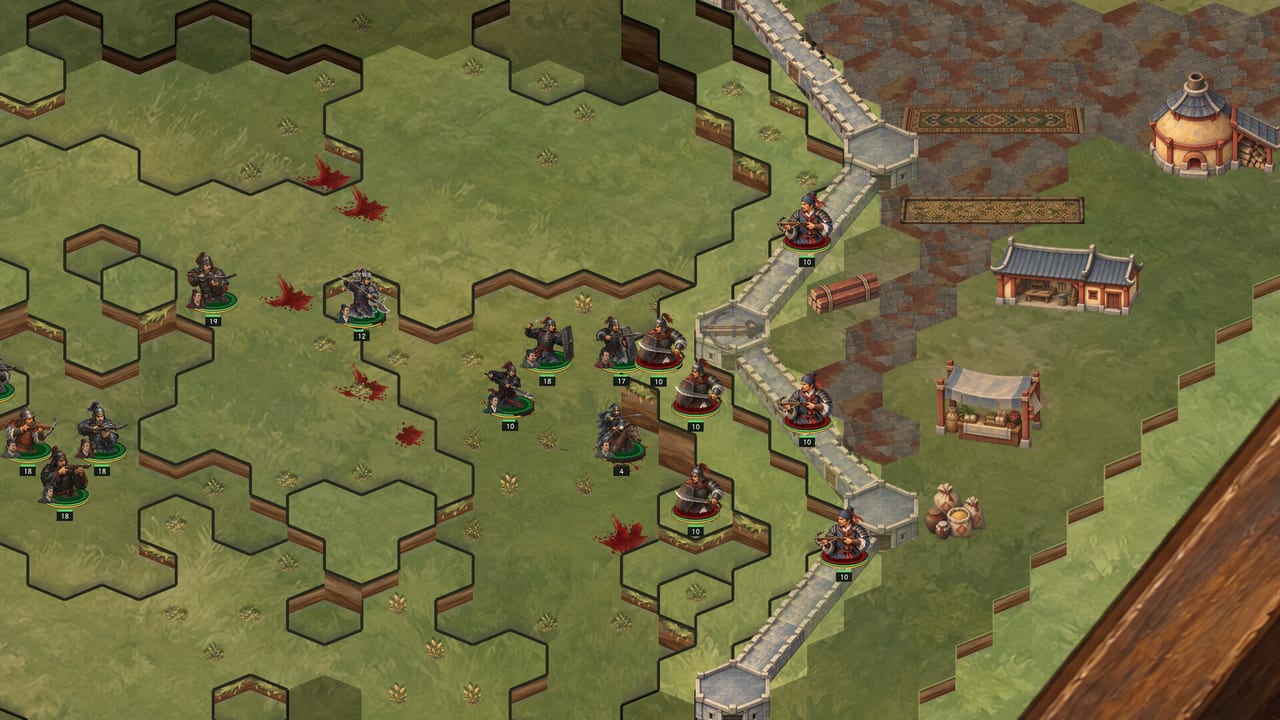
The YuanRong overworld is where mercenary companies thrive or starve. Continents are procedurally generated from seeds, so no two campaigns share the same coastline, mountain belt, or settlement chain—yet the travel rules stay consistent. This guide covers seeds and replay value, terrain routes, rations, scouting, settlement services, and when 4x march is a tool versus a trap. Use it after Getting Started and alongside Combat Basics so you stop arriving at battles already broken.
YuanRong (Yuanrong: Princeps Militum) is a single-player 2D turn-based tactical RPG by FY Developer and FY Publisher. Steam Early Access began November 23, 2026. On the map you are a logistics officer as much as a general: rations, road choice, and settlement timing decide whether your hex tactics ever get a fair fight.
Seeds and procedural continents
Each campaign seed builds a continent layout—biomes, paths, and town placement shift while systems (contracts, recruitment, doctrines) remain. That means:
- Guides teach decision rules, not a fixed GPS path.
- Scouting is mandatory every run; memorizing one YouTube route will fail on a new seed.
- Culture strengths interact with geography: Steppe loves open corridors; West loves defended approaches; Desert thrives near funnels; Central Plains wants networks of supporting settlements.
When a seed feels hostile to your culture, you can still succeed by adjusting routes—or restart later with knowledge from Cultures Overview. Early Access is a learning window; treating bad seeds as practice is healthier than rage-rerolling every hour.
Terrain routes and movement cost
Terrain is not flavor text. Rough ground, wetlands, deserts, and highlands change how many days and how much Fatigue a march costs. Before you commit:
- Compare the short dangerous path versus the longer safe road.
- Ask whether the destination settlement has recruitment stock you actually need.
- Check whether the contract pay covers the ration burn of the detour.
- Leave a buffer for weather-like delays and event branches on the road.
Open plains favor cavalry cultures and fast reaction to threats. Mountain approaches favor shield lines and prepared fights. Crossing the wrong biome to chase a slightly better board posting is how companies arrive unfit for Combat Basics standards—Organization and Fatigue already compromised.
Plot circuits, not arrows. A good early circuit links two or three settlements with taverns, markets, and recruitment so you can fight, heal the roster, and take the next mercenary contract without a death march.
Rations: the quiet campaign killer
Rations convert distance into risk. Empty stores force emergency detours, bad market prices, or desperate contracts. Habits that keep companies alive:
- Top up whenever a market price is reasonable—not only when the bar is red.
- Count mouths after recruitment; more soldiers means heavier burn.
- Do not assume 4x march “saves” rations; faster travel can still dump you into expensive tiles or fights you cannot refuse.
- After a bloody battle, prioritize a settlement with food and recruitment over a distant lord’s shiny offer.
Renown unlocks better markets over time, but renown does not fill an empty wagon tonight. Pair travel planning with the renown loop described in Mercenary Contracts.
Scouting before you commit
Scouting reveals what the seed actually built: passable corridors, hostile concentrations, and which towns are worth anchoring. Scout priorities:
- Adjacent biomes — know the cost of the next two marches, not only the next one.
- Settlement tags — tavern, notice board, market quality, recruitment depth.
- Threat density — whether a “shortcut” is actually a skirmish conveyor belt.
- Fallback towns — always know where you will run if a contract goes wrong.
Scouting burns time; not scouting burns companies. In Early Access, information is cheaper than replacement officers—especially while recruitment stocks stay finite per settlement (Recruitment and Formations).
Settlements as campaign infrastructure
Settlements are hubs, not background art. Typical services:
- Taverns — rumors, companions hooks, and contract social space; see also Companions.
- Markets — food, gear, and Equipment categories (Insignia, Special Items, Advisers, Banners).
- Recruitment — finite stocks of ranks; do not expect infinite elite NCOs in every village.
- Notice boards — public mercenary work that feeds the early renown curve.
Anchor your early game on a home cluster: one town for recruitment, one for markets if needed, and overlapping contract boards. Expand the cluster as renown rises and better staff appear. Named or renowned figures may show up as you climb—browse Renowned Generals when the roster starts feeling legendary rather than disposable.
Politics and diplomacy modules are planned to expand during the roughly three-month Early Access window (Early Access, Roadmap). Even before full political play, treating settlements as factional infrastructure prepares you for denser systems later.
4x march: speed with a leash
4x march is excellent for crossing known safe roads between friendly settlements when the column is healthy, well fed, and not hunting trouble. It is a bad default for:
- Unscouted biomes.
- Wounded companies with thin reserves.
- Ration emergencies where a fight would finish you.
- Moments when you need to react carefully to map events.
Use 4x as a scheduled tool: scout, decide, then accelerate along the approved corridor. If an event pops or terrain worsens, drop back to normal pace. Speed without information is how Seed A teaches a lesson Seed B will repeat.
Linking travel to combat and contracts
Travel success is measured in battle readiness:
- Arrive with Fatigue low enough to contest elevation.
- Arrive with rations to stay after the fight for recruitment.
- Arrive with a contract objective you still want—not one you took because the board was the only bright icon on a starving march.
Before accepting long-range lord work, read Mercenary Contracts and confirm you can walk home. Before crossing a choke into a known battle site, refresh Combat Basics. After losses, consult Recruitment and Formations and detour to a town that actually stocks the ranks you lost.
Sample early travel plan
- Finish tutorial and two local contracts near the start town (Getting Started).
- Scout a triangle of nearby settlements; note which has the best recruitment stock.
- Stock rations above comfort level, not at minimum.
- Take a medium contract inside that triangle; 4x only on the safest edge.
- After the fight, replenish NCOs/reserves first, shop second.
- Push the triangle outward only when renown shows better boards.
Common overworld mistakes
- Arrow thinking: drawing a line to a far city and ignoring biomes.
- Shop pilgrimage: crossing half a continent for one market rumor.
- Recruitment tourism: visiting every town instead of returning to the one that stocks your culture’s ranks.
- Ego marches: 4x into fog because “we are strong.”
- Patch blindness: skipping Patch Notes when travel economy or Fatigue rules shift in Early Access.
After you can travel cleanly
When you can complete a three-settlement loop without ration panic, you are ready to specialize. Lean into Doctrine Builds that match the biomes your seed keeps giving you, refine unit choices via Unit Tiers, and keep the Guides Hub bookmarked for system refreshers. Official site yuanrongwar.com and Discord discord.gg/p2uCqGRddP help with seed stories from other commanders; your own scouting notes remain the source of truth for the continent you are actually on. For storefront and community link bundles, see Wiki links.
Frequently Asked Questions
Quick answers about YuanRong Early Access, cultures, and combat.
Do YuanRong continents share the same map every run?
No. Continents generate from seeds, so layouts change. Learn routing rules here, then scout each new campaign fresh.
When is 4x march safe?
Use 4x on scouted, safe corridors with healthy Fatigue and solid rations. Avoid it in fog, after heavy losses, or across costly biomes.
How do settlements fit into travel planning?
Build a cluster with taverns, markets, recruitment, and notice boards so contracts and replenishment stay local—see Mercenary Contracts.
Why do I arrive at battles already weak?
Usually Fatigue and ration stress from bad routes. Slow down, scout, and review Combat Basics entry conditions.
Where should I go after mastering short circuits?
Expand outward as renown rises, keep reading the Guides Hub, and watch Roadmap for politics and diplomacy modules that will deepen settlement play.