YuanRong Doctrine Builds for Early Access
Specialize a trunk early so every battle funds the army you actually field.
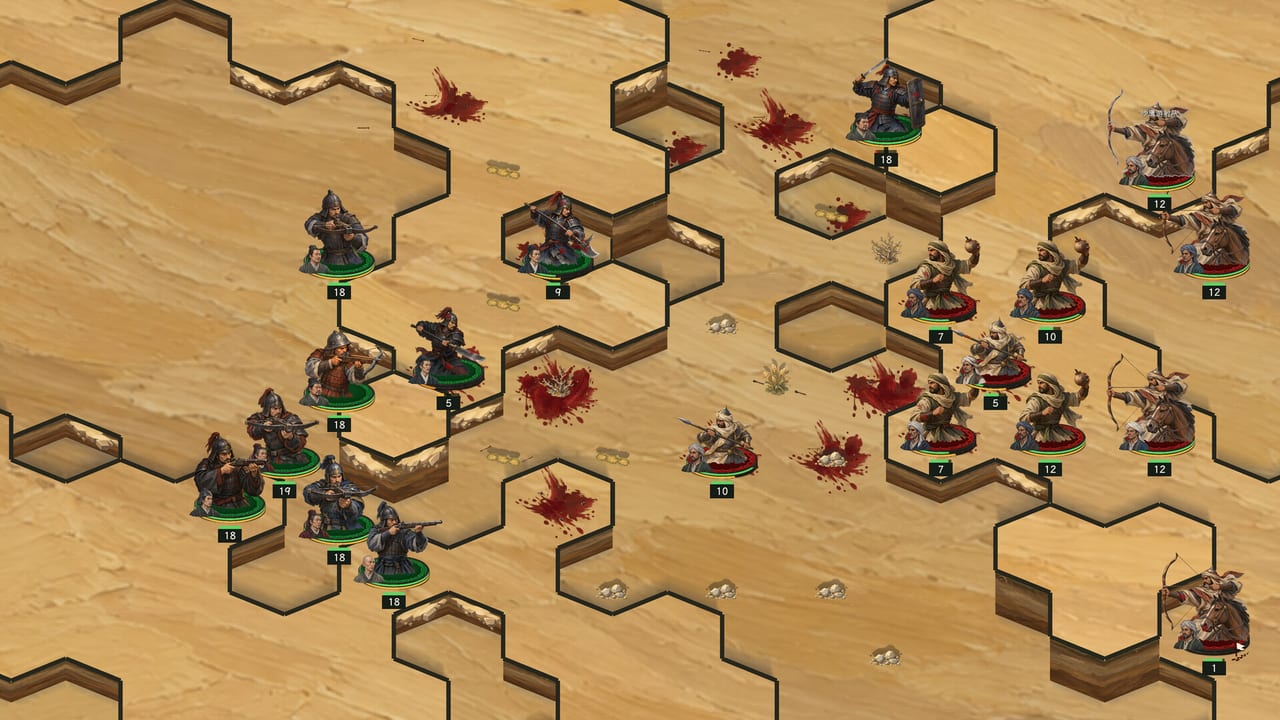
Battle doctrines are YuanRong’s long-term army identity. Where culture decides what you can recruit easily, doctrines decide how those recruits fight after dozens of engagements. The live tree offers three main directions—Infantry, Ranged, and Cavalry—with 84 nodes and 18 specialization paths. Equipment then reinforces the same story through four leadership slots: Insignia, Special Items, Advisers, and Banners, spanning 168 items across four cultures and white/green/blue/purple rarities. This page explains how to specialize early in Early Access without wasting doctrine experience on contradictory branches.
Pair these builds with Cultures Overview and Unit Tiers. For the day-to-day of officers, NCOs, and reserves, use Recruitment & Formations. For battlefield timing, keep Combat Basics open while you experiment.
How doctrine experience works
Doctrine experience reflects battlefield results and your own fatalities, not victory alone. Heavy losses can produce a net experience loss. Learned doctrines stay unlocked, while future earnings first offset any negative balance. That design punishes pyrrhic wins and rewards clean fights that match your intended style.
Practical rules for Early Access:
- Pick a trunk before you pick toys. Unlock the first meaningful Infantry, Ranged, or Cavalry cluster that matches your culture’s recruit pool.
- Stop spreading. A half-finished Cavalry path plus a half-finished Ranged path often underperforms a finished Infantry spine with one ranged support node.
- Spend doctrine points on troop XP only when the trunk is healthy. Feeding XP to units that contradict your doctrine wastes the compounding loop.
- Reread conditions after patches. Ready the Ranks changed how “Unengaged” is evaluated (adjacent enemy at turn start) and tied skills like Shield-Cover Crossbow and Sergeant’s Press to short Guards / Close Formation buffs. Builds that assumed old trigger text need a pass.
Infantry doctrine builds
Identity: Hold hexes, stack formation buffs, and win trades through Organization and block math.
Best cultures: Central Plains and West first; Desert when you lean spear walls and protective templates.
Early EA path: Unlock nodes that improve line cohesion, shield behavior, and officer-driven presses. After the shield block rework, anything that keeps shield-bearing soldiers alive directly raises block chance (full shields ≈ 12% base block chance, half shields ≈ 6%, with blocks mitigating at least 20% HP and Organization damage). Close Formation stacking with Dress the Line makes dense infantry packages more rewarding than before.
Sample early company: Two shield or spear formations as anvil, one support infantry or short-range missile team, reserves kept fat enough to refill after contracts. Officers coordinate multiple parts through the chain of command—do not starve NCO slots just to buy another shiny elite.
Equipment focus: Insignia and Banners that reinforce command radius, training, or defensive posture; Advisers who cut military expenses or speed recovery so you can stay in the field.
Failure mode: Chasing cavalry charge multipliers while your infantry tree is still empty. Charges without an anvil leave you exposed when the enemy does not break on first contact—especially after heavy cavalry multipliers were cut.
Ranged doctrine builds
Identity: Win the approach with elevation, cover, and volley timing; disengage before melee chews your shooters.
Best cultures: Central Plains crossbow lines, Steppe horse archery, Desert fire and javelin pressure.
Early EA path: Prioritize nodes that improve deployment spacing, ammunition economy, and post-shot safety. Ready the Ranks reduced many crossbow skill multipliers (Crossbow Aim 41.8% → 37%, Heavy Crossbow Volley 44% → 39%, plus roughly five-point cuts on a suite of related skills including Shenbi Formation-Piercing Bolt and Shield-Cover Crossbow). That does not kill ranged play—it demands better hex choice and shield screens. Javelin Throw multipliers on Tier 2–4 sources rose sharply, which elevates Desert-style hybrid ranged melee.
Sample early company: Shield screen in front, primary ranged formation on high ground or behind cover, a mobile scout or light cavalry eye for flanks. Watch ranges: Whirlwind Trebuchet Shot expanded to 3–8 hexes while Windlass Shield-Breaker shortened to 3–7—relearn engagement bands after the patch.
Equipment focus: Special Items and Advisers that stabilize ammunition, fatigue, or accuracy; Banners that telegraph a missile-first army to your officers.
Failure mode: Pure shooter armies with no block share. Adjacent ally cover now factors into ranged damage reduction math—bring friends with shields.
Cavalry doctrine builds
Identity: Dictate tempo on the world map and crack softened lines with timed charges.
Best cultures: Steppe first; West heavy horse second; Desert cavalry as a specialist tool after learning the new Mamluk / Bedouin profiles.
Early EA path: Unlock employment nodes that improve charge setup, disengagement, and fatigue control before you buy every damage node. Ready the Ranks lowered Golden-Saddle Linebreaker (120% → 100%), Paladin Line-Trample (150% → 130%), and Heavy Pike Thrust (200% → 185%), while bumping Royal-Oath Thunder Wedge (75% → 85%). Mamluk Lance Wedge now uses Cataphract Linebreaker with a lower damage multiplier but clearer armor penetration, organization damage, and Fear / Broken Formation application; Bedouin Light-Horse Dash fell to 50%. Cavalry is still excellent—just more honest about setup requirements.
Live disengagement check dice and visible cavalry AP refunds make retreat timing readable; use that UI instead of guessing.
Sample early company: One durable infantry hitching post, one primary shock or horse-archer formation, scouts for vision. Scout Cavalry’s prestige gate rose to Tier 3 expectations while its thrust and mark skills improved—treat upgraded scouts as real contributors, not disposable eyes.
Equipment focus: Items that raise carry capacity and march speed matter because horses also interact with load rules; keep the strategic layer fed so your tactical charges arrive on time.
Failure mode: All-cavalry wage bills on a seed without horse replenishment. One bad fight empties your identity.
Hybrid plans that still work
Hybrids are fine after a trunk exists:
- Infantry spine + Ranged eyes — Safest Early Access hybrid for Central Plains and West.
- Ranged spine + Cavalry harass — Steppe classic; keep a cheap infantry tarpit.
- Desert protective + javelin / fire — Lean into updated javelin numbers before heavy horse.
Avoid true three-way splits until renown expands officer and NCO slots enough to crew every fantasy.
Equipment as doctrine glue
The four slots are not fashion. Identical unequipped items stack in inventory, which makes distributing loot among leaders easier, but each slot still holds one equipped piece. Prioritize:
- Fill empty slots on your commander and key officers before chasing purple rarity for vanity.
- Match Advisers and Banners to the doctrine trunk (training vs. march vs. expense control).
- Recheck World Map bonus overviews after equipping—conditional skill effects and building bonuses now surface more clearly in UI updates.
Companions who sit in cabinet roles can amplify the same economy that funds doctrine play; see Companions. Culture-aligned Renowned Generals often arrive with formation qualifications that snap into your trunk faster than random hires.
Early Access specialization checklist
- Choose culture on Cultures Overview.
- Fight five to ten contracts with a temporary balanced roster.
- Lock Infantry, Ranged, or Cavalry as your primary trunk.
- Spend the next doctrine earnings only on that trunk until a specialization path feels “online.”
- Audit unit roles on Unit Tiers and cut wage sinks that fight your doctrine.
- Revisit after each balance note on patch notes—especially skill multiplier changes.
Doctrines reward patience. The company that specializes early will outscale the company that dips every shiny node, even if the dabbler wins a few flashy charges along the way.
Frequently Asked Questions
Quick answers about YuanRong Early Access, cultures, and combat.
How many doctrine nodes are there?
The battle doctrine tree has 84 nodes across Infantry, Ranged, and Cavalry with 18 specialization paths. Specialize one direction early in Early Access.
Can doctrine experience go negative?
Yes. Experience tracks results and your fatalities. Heavy losses can net negative XP; future earnings first repay that debt while learned nodes stay unlocked.
Should I unlock all three trunks?
Not early. Finish a primary trunk and one support cluster before spreading. Three-way splits dilute officers, wages, and replenishment.
How does equipment relate to doctrines?
Insignia, Special Items, Advisers, and Banners (168 items, four rarities) should reinforce the same identity as your doctrine trunk rather than contradict it.