YuanRong Wiki Overview
A review-style map of the Early Access war game—cultures, hexes, seeds, and where every hub leads.
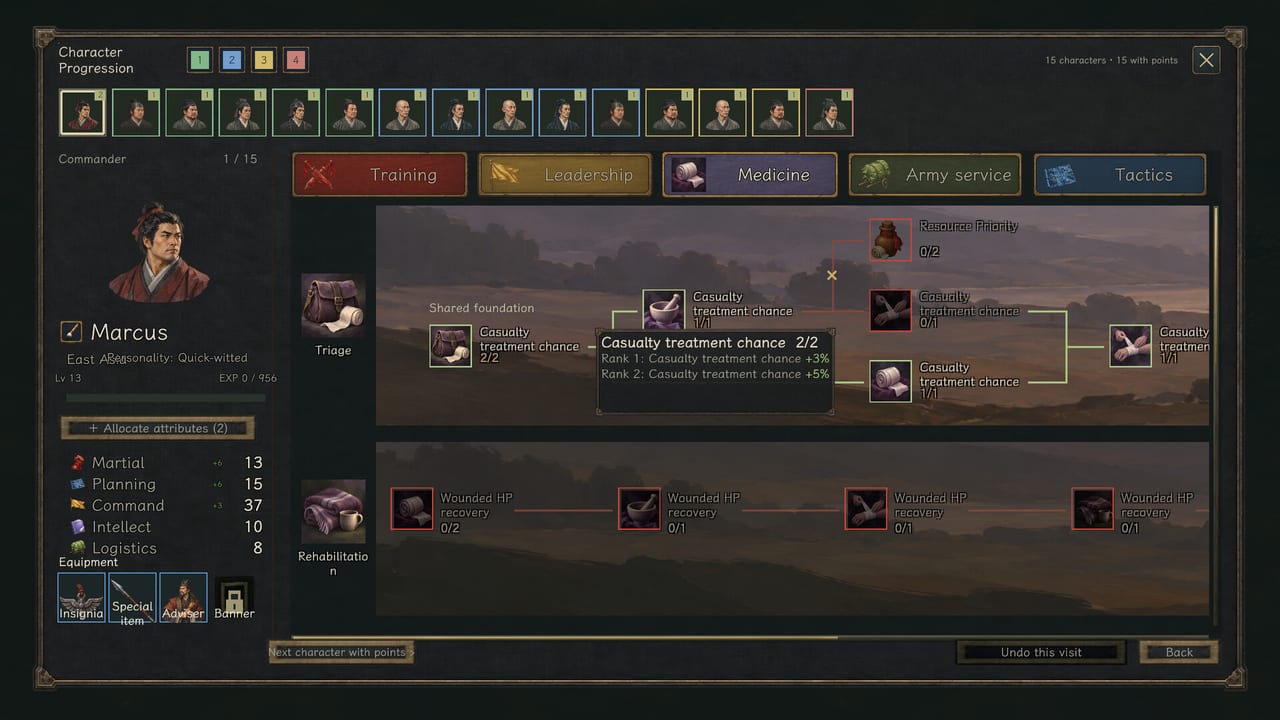
YuanRong (also framed in materials as a princeps-militum fantasy of commanded armies) is a solo-developed, single-player, 2D turn-based tactical RPG that entered Steam Early Access on November 23, 2026. It asks a simple, heavy question: can you build an army that expresses a culture’s way of war, march it across a seeded strategic map, and win the argument on hexes? This page is the wiki’s wide-angle overview—part orientation, part review-style reading of what the game is good at—so you know which deep page to open next.
Official anchors: Steam app 4801600, store page YuanRong on Steam, site yuanrongwar.com, Discord discord.gg/p2uCqGRddP, QQ 1060064964. Developer/publisher credits: FY Developer / FY Publisher. Price communication at EA launch: $19.99 list, $16.99 intro until December 7, 2026, with a free demo kept in sync. Full buyer detail lives on Early Access.
The fantasy in one paragraph
You are not grinding a battle pass. You are commanding. Culture choice is a military thesis. The world map is a logistics puzzle with folklore and historical figure events tucked into geography. Combat is readable hex tactics—formations, equipment, doctrines, disengages, shields—not an autobattler you ignore. Companions and renowned generals personalize the campaign. Mercenary contracts fill roster holes when ideology alone will not. That loop is what Early Access is selling; politics, diplomacy, council/court, and company-scale mercenary systems are the longer Roadmap conversation.
Who will like YuanRong
Likely yes if you enjoy:
- Turn-based hex fights with army identity instead of lone-hero action RPGs.
- Seeded / generated campaign maps that still carry authored story packs.
- Reading culture as doctrine, not only as cosmetics—start at Cultures Overview.
- Solo pace where a mistake on the march matters as much as a mistake in melee.
Likely wait or demo carefully if you need:
- multiplayer or PvP (not in current facts).
- Finished politics/diplomacy on day one of EA.
- A massive live-service cadence of daily login rewards.
- Controller-perfect comfort without checking Controls and your own hardware against System Requirements.
Four cultures, one war college
The roster fantasy splits across four cultures (commonly discussed as Central Plains, Steppe, West, and Desert identities). The wiki’s Cultures hub—nav label for the tier-list category—exists so you can compare theses before you marry a save file:
- Cultures Overview — identity, strengths, and how folklore/history packs reinforce each banner.
- Doctrine Builds — how equipment and doctrine lines turn a culture into a plan.
- Unit Tiers — pragmatic rankings that will move during EA balance themes.
Culture is also why September’s doctrines-and-equipment news theme still matters in November: the best unit on a tier list is the wrong unit if it fights against your doctrine. Read tiers as arguments, not commandments.
Hex combat as the verdict layer
Strategic ambition dies on the hex grid if you cannot disengage cleanly, trust a shield block, or keep a formation after a bad initiative swing. Pre-EA Ready the Ranks work (oil-painted banners, live disengage dice, shield block rework, companion growth resets, faster march among other items) was explicitly about making that verdict layer fairer and clearer—see Patch Notes.
Learn the language of fights on Combat Basics, then translate it into army craft on Recruitment & Formations. When a battle is optional, remember that retreat literacy is part of expertise, not cowardice.
Seed worlds and travel discipline
A seeded world means your folklore routes, figure events, and contract circuits are not identical to your friend’s. That is a feature for replay and a trap for copy-paste walkthroughs. Use World Map Travel to build habits—scouting, pacing marches after the 4x-tempo themes, and deciding when a historical figure detour is worth the risk. Encyclopedia-style building knowledge from late-September updates rewards players who read before they spend.
People: companions and renowned generals
Armies need faces. Companions covers the growth and reset realities that Ready the Ranks reminded everyone about. Renowned Generals covers the celebrity commanders and figure-event adjacency that make a campaign quotable. The parent Companions hub (players category) is the index when you only remember a role, not a page title.
Money and muscle for hire
Not every gap should be filled by conscripting your favorite culture’s fifth-best line unit. Mercenary Contracts explains the hire-and-objective loop that September’s quest-and-contract theme put in the spotlight. Roadmap talk of mercenary companies is the later, larger version of that idea—learn contracts now so companies make sense later.
Progression of a smart EA player
- Demo → confirm taste and performance.
- Getting Started → first-week objectives without derailing the army.
- Culture pick via Cultures Overview.
- Combat reps via Combat Basics.
- Map literacy via World Map Travel.
- Roster theory via Recruitment & Formations and Doctrine Builds.
- Economy of force via Mercenary Contracts.
- After every Steam post → Patch Notes → adjust.
- When you wonder “is this the full vision?” → Roadmap and Early Access.
The Guides Hub, Updates Hub, Tools Hub, and this overview exist so that path stays linked instead of tribal knowledge in Discord screenshots.
Review-style verdict (EA lens)
Strengths: Clear command fantasy; culture as gameplay; hex fights that want literacy; a demo-synced EA stance that respects evaluation time; a solo developer who has already shipped dense thematic updates (folklore counts, figure events, readiness reworks) instead of only promises.
Risks: Early Access means systems will move under your feet—companion resets already happened once in public themes. Roadmap modules may slip. Tier lists will rot without dates. Single-player-only design will not satisfy multiplayer seekers no matter how good the AI feels.
Bottom line: If the demo’s hexes and culture thesis excite you, EA at the intro price window is a coherent buy for the war game that exists. If you are buying only for court intrigue or diplomacy sim depth, wait for those modules to ship and keep reading the Roadmap.
Official vs fan wiki
This site is an unofficial fan wiki. It organizes guides, culture discussion, update chronology, and tools. It does not replace Steam news, hotfix notes, or developer Discord/QQ statements. When facts conflict, trust official channels, then file an issue against the wiki’s content/facts.json mindset: release status early-access, no multiplayer, four cultures, Windows/Steam.
Continue exploring
- Beginner path: Getting Started
- Combat: Combat Basics, Siege Warfare
- Company systems: Equipment System, Settlements & Buildings, Folklore Quests
- Cultures & tiers: Cultures Overview, Unit Tiers
- People: Companions
- Updates: Patch Notes, Early Access
- Tools: System Requirements, Controls
Welcome to the war college. Pick a culture, trust the hexes, and keep your feedback precise.
Frequently Asked Questions
Quick answers about YuanRong Early Access, cultures, and combat.
Is this the official YuanRong wiki?
No. It is an unofficial fan resource. For patches and policy, use Steam, yuanrongwar.com, Discord, and QQ.
What genre is YuanRong?
A single-player 2D turn-based tactical RPG focused on four cultures, seed worlds, and hex combat—now in Early Access on Steam.
Where should absolute beginners start?
Play the free demo, then follow Getting Started and Cultures Overview.
Does YuanRong have multiplayer?
Current facts describe single-player only. Do not expect multiplayer unless official channels announce otherwise.
How is this overview different from the Updates hub?
This page explains what the game is and how hubs connect. Updates tracks patches, roadmap modules, and EA policy over time.