YuanRong Tier List Hub
Cultures, doctrines, and unit roles ranked for Early Access campaigns.
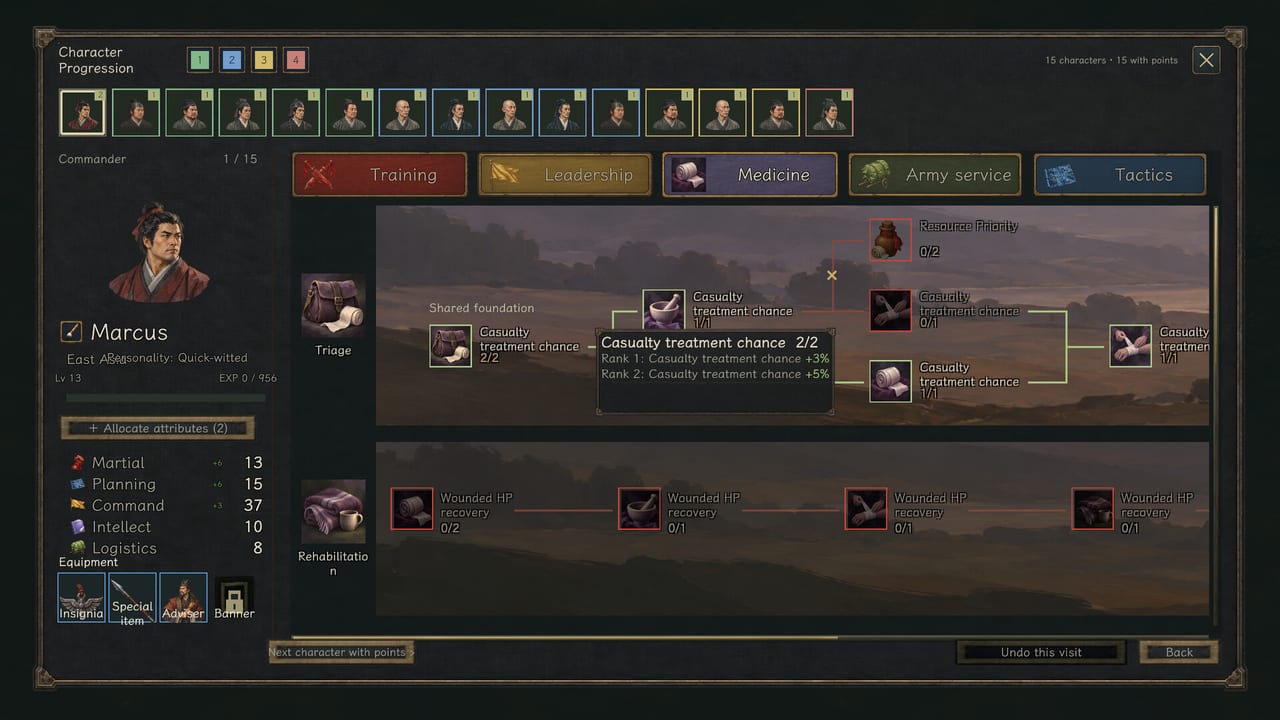
YuanRong (Yuanrong: Princeps Militum) is a solo-developed 2D turn-based tactical RPG where your cultural origin, doctrine path, and unit roster decide whether you win fights outnumbered or bleed gold replacing fallen soldiers. This Tier List Hub is the map of those choices. It does not pretend there is one permanent S-tier army. Seed continents, settlement stocks, and Early Access patches all move the meta. What stays useful is a clear way to compare the four cultures, the three doctrine trunks, and the relative strength of infantry, ranged, cavalry, and elite roles so you invest renown, wages, and doctrine points where they matter.
Use this hub when you are about to start a new campaign, respec after a hard loss, or decide whether a foreign recruit is worth the march. Pair it with the practical guides on combat basics, recruitment and formations, and mercenary contracts so rankings turn into deployment plans instead of abstract lists.
How to read these rankings
A tier label in YuanRong means “how often this choice pays off across typical Early Access seeds,” not “always stronger on every hex.” Terrain, elevation, and shield density change outcomes. A Steppe horse-archer company that looks unstoppable on open plains can stall in forests and passes. A West shield wall that feels mediocre in open field fights becomes the backbone of a siege defense after the Ready the Ranks layout change that put cities and walls on the left facing right.
Score choices along four axes:
- Availability — Can you recruit and replenish this culture or troop type near your current route, or will you burn rations chasing stock?
- Doctrine fit — Does the unit amplify Infantry, Ranged, or Cavalry nodes you already unlocked, or does it force a split tree?
- Role coverage — Anvil, hammer, skirmish screen, fire pressure, or elite breakthrough?
- Patch sensitivity — Did the November 20, 2026 pre–Early Access update already nerf or rework the skills this build leans on?
When two options look equal on paper, prefer the one you can feed from nearby settlements. Dead formations that cannot refill after a pyrrhic victory are worse than a slightly lower tier that stays full.
The three deep dives
Cultures overview
Start with Cultures Overview if you have not locked an origin yet. Central Plains (East Asian), Steppe (North Asian), West (European), and Desert (Middle Eastern) are not skins. Each changes recruit pools, formation templates, enemy tendencies, and the folklore and historical figure events you meet in towns. Central Plains reward mutually supporting lines; Steppe leans on horse archery and swift charges; West pushes shield lines and heavy armor to break fronts; Desert mixes protective formations, ranged pressure, and fire attacks. The cultures page explains when each origin is the comfortable first campaign versus a challenge run.
Doctrine builds
Open Doctrine Builds once you have a few battles under your belt. Battle doctrines offer Infantry, Ranged, and Cavalry directions with 84 nodes and 18 specialization paths. Experience tracks battlefield results and your own fatalities—heavy losses can net negative doctrine XP—so early specialization beats dabbling. The builds page shows how to pick a trunk early in Early Access, when to spend doctrine points on troop XP, and how equipment slots (Insignia, Special Items, Advisers, Banners across 168 items in white/green/blue/purple rarities) reinforce the same identity.
Unit tiers
Use Unit Tiers when you are comparing specific roles: shield infantry after the block rework, heavy cavalry after charge multiplier cuts, crossbow lines after volley nerfs, and elites that still justify their wage. That page uses S/A/B-style commentary with explicit notes that Early Access balance will keep shifting. It cites only documented Ready the Ranks changes—shield block rules, Golden-Saddle Linebreaker and related charge cuts, Mamluk and Bedouin adjustments, and javelin buffs—so you can reason about the live build without invented patch numbers.
Culture × doctrine shortcuts
You do not have to open every subpage to start planning. As a quick cross-reference:
- Central Plains + Infantry / Ranged — Strong default for players who want cohesive lines, crossbow pressure, and mutual support. Watch crossbow skill multipliers after the pre-EA pass; still excellent when you keep shields up front and shoot from covered hexes.
- Steppe + Cavalry / Ranged — Best when the seed gives you open corridors and horse stock. Mobility and harassment shine; cramped mountain seeds punish you if you never unlock a solid infantry anvil.
- West + Infantry / Cavalry — Shield walls and armored breakthroughs. After the block rework, surviving shield share drives block chance, so keeping shield-bearing soldiers alive is itself a win condition.
- Desert + mixed Ranged / Infantry — Protective formations plus fire and javelin pressure. Recent javelin multiplier increases on Tier 2–4 sources make Desert spear-and-javelin packages more attractive than they looked mid-demo.
Cross-culture recruitment is possible as you travel, but stocks are finite and culture-gated. Border towns will not magically sell every elite. Plan marches with world map travel in mind before you commit doctrine points to a troop type you cannot refill.
Companions, generals, and roster quality
Tier lists for units sit on top of leader quality. Companions grow attributes and skills, can fill cabinet and court roles beyond the battlefield, and—as of Ready the Ranks—can reset growth once to refund points. Renowned Generals are now selected from your culture even in foreign cities, which makes culture choice matter for hero recruitment as well as troop kits. See the Players Hub, Companions, and Renowned Generals pages when you need people-focused rankings instead of formation math.
Early Access caveats
YuanRong entered Early Access on November 23, 2026 (Steam app 4801600) at $19.99 with a $16.99 introductory price and a free demo. The solo developer (FY Developer / FY Publisher) has signaled roughly three months of EA focused on culture-specific events plus political, diplomatic, and military refinements. Expect doctrine nodes, skill multipliers, and AI behavior to keep moving. Revisit this hub after major notes on the Updates Hub and patch notes rather than treating any S-tier claim as permanent.
For PC readiness before you theorycraft for hours, skim system requirements and controls. Keyboard and mouse remain the recommended input; pinned tooltips (1.5s hover) and map zoom are part of reading the battlefield correctly.
Practical next steps
- Pick a culture on Cultures Overview that matches the campaign pace you want.
- Lock an early doctrine trunk on Doctrine Builds and stop spreading points until that trunk pays off.
- Rank your current roster roles on Unit Tiers and cut wage sinks that no longer match the patch.
- Fill leadership gaps via companions and culture-aligned renowned generals.
- Return here after each major update to re-check patch-sensitive skills.
Play the seed in front of you. The best tier list is the one that keeps your company paid, fed, and deployable when the next contract appears on the notice board.
Frequently Asked Questions
Quick answers about YuanRong Early Access, cultures, and combat.
Is there a single best culture in YuanRong Early Access?
No. Central Plains, Steppe, West, and Desert each excel on different seeds and doctrines. Pick for recruit access and playstyle first; refine with the Cultures Overview page.
Should I multiclass doctrines early?
Usually no. The tree has 84 nodes across Infantry, Ranged, and Cavalry. Specialize one trunk early so battlefield XP compounds; dabbling delays meaningful bonuses.
How often will these tiers change?
Whenever balance patches land. Ready the Ranks already reworked shield block and cut several cavalry charge multipliers. Recheck Unit Tiers after notes on the Updates Hub.
Do companions and renowned generals affect tier rankings?
Yes. Leaders unlock formations, skills, and off-map roles. Culture-aligned Renowned Generals and reset-capable Companions can elevate an otherwise average roster.