YuanRong Personality Traits
Sixteen traits, three named additions, and posts that actually change the sheet.
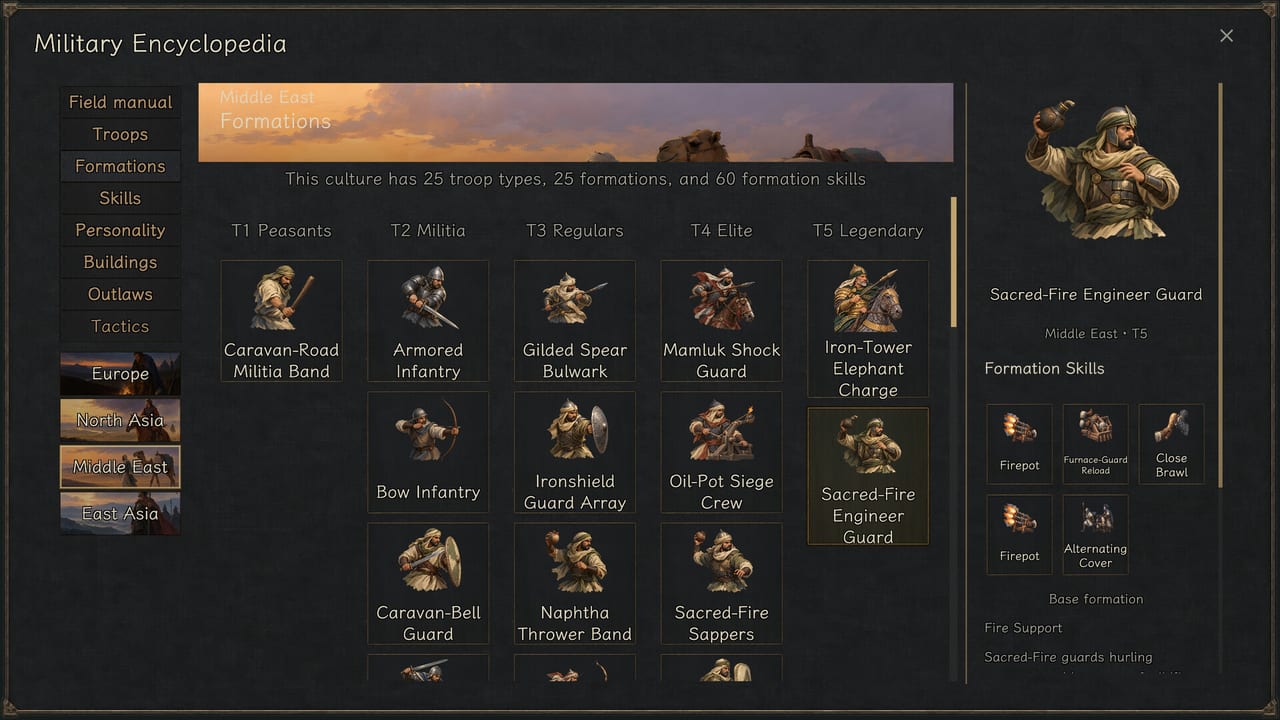
YuanRong has sixteen personalities. The roster grew from thirteen to sixteen on 26 October 2026 by adding Cunning, Suspicious, and Sinister. This page explains those three and the appointment rules. It does not invent names or percentages for the other thirteen. The military encyclopedia lists the rest, and the appointment preview shows the effect of the person you are about to seat. If a number is not on that preview, do not play as if this guide whispered it to you.
Personalities are not paint. Since 1 November 2026, commander and officer personalities modify effective attributes while that person is appointed. NCO personalities affect the formation they are assigned to. The same rework put those effects on the character details, on the appointment preview, and in the encyclopedia. On 4 November 2026 you also choose a personality at campaign start, so the habit begins before the first tavern.
Who you appoint is a companion problem. Read Companions. Where the chair sits in a government is Realm and Court. How an enemy commander’s temperament hits captives is Prisoners and Loot. Putting an NCO on a legal formation is Recruitment and Formations.
Choose one at the start
The 4 November campaign-start picker is your personality, not a hire you can postpone until a famous general appears. Pick it the way you pick a culture: knowing you will look at the preview later when the same trait is sitting on a commander post. You are not locking every officer in the company to a copy of yourself. Companions, court guests, and enemy commanders carry their own traits. Yours is the one the opening screen asks for.
Some traits already on the older list of thirteen also had their combat behavior revised in that October pass, including clearer differences in how they choose targets. This page still will not name them. Open the encyclopedia entry for the trait you were offered at start. If the entry talks about target selection, believe that entry in the fight. A revised trait that makes a commander fixate is a battlefield fact, not a rumor you balance by gut.
How appointment works
A commander personality modifies that commander’s effective attributes only while they hold the command appointment. Take them off the post and the modification leaves with them. An officer works the same way on the officer post: attributes change while they are appointed, and the character details should show it. You are not painting a permanent stat onto the human. You are painting the post.
An NCO is different. The NCO personality affects the formation you assigned them to. It is not a tiny version of the commander’s attribute bag. If you want a temperament to sit inside one body of troops, the NCO slot is the slot the 1 November note describes. If you want the leader’s accuracy, planning, or other attributes to move, use commander or officer and read which attributes the preview actually moves. Intellect and Planning have their own jobs in the wider rules, intellect on accuracy and armor penetration, planning on initiative and action points, with a final action-point cap of 16. A personality that touches those attributes is valuable because of that link. A personality that does not touch them will not secretly do it because the trait sounds clever.
The preview is mandatory. Effects appear there before you confirm. If you appoint from memory, you will seat a penalty you did not read. Equipment tooltips already gray out effects that belong to a different command post. Personality belongs in the same habit: this post, this formation, this preview.
Recruitment and Formations is where the NCO becomes real. A trait that should steady a spear line does nothing if that NCO is unassigned, and a formation that will not accept the troops you bought will not accept the personality either. Appoint after the formation exists.
Cunning
Cunning is one of the three added traits. Use it when you want a commander or an officer whose job is choices: which target, which contract, which hex to refuse. Seat them only if the appointment preview shows attribute changes you actually want for that job. The word is not a hidden critical-hit aura, and this guide will not assign Cunning a private bonus to Planning or Intellect. If the preview shows those, good. If it shows something else, play the something else.
Cunning is a poor blanket you throw on every NCO because the name sounds strong. On an NCO it affects that formation, which might be exactly what you want for one body of troops and a nuisance on another. Read the formation effect. One cunning NCO on the unit that has to pick a target is a plan. Five of them because you like the adjective is how you stop looking at previews.
On an enemy commander, Cunning is a reason to expect calculated prisoner handling rather than a stock mercy scene. Your own Execute, Recruit, and Release buttons after a win are still yours. Their personality is about what they do with people they hold. Details are on Prisoners and Loot. Do not invent a cunning-only execute percentage. Fight the commander, then read the report you actually earned.
Suspicious
Suspicious is the trait to consider when you do not want a formation volunteering for a glorious charge. Because NCO traits hit the assigned formation, Suspicious often makes more sense there than as a company-wide mood. Put it on the body that must hold, then check the preview for the cost. A suspicion that also ruins the attributes you needed on a commander post is a bad promotion. Leave them as the NCO.
Do not park Suspicious on every chair to feel safe. The October note revised combat behavior on existing traits as well, and Suspicious has its own entry in the encyclopedia. Some of that behavior is target selection. A suspicious leader who picks the wrong target because the trait says so is following the rule you chose. If the preview looks like a penalty you cannot afford before a contract, choose a different person. Court offices that care about tax and training, described on Realm and Court, still use the human’s abilities. A temperament that makes a fine cautious NCO can be the wrong minister. The preview and the office bonus are allowed to disagree. Read both.
Enemy commanders who are Suspicious are part of the same prisoner note: some commanders handle captives by personality, and released soldiers return injured. A suspicious enemy is not a promise that your routed troops come home healthy. Do not count them as tomorrow’s full-strength rank.
Sinister
Sinister is the harsh end of the three additions. Appoint it to a commander or officer when the preview’s attribute shift matches a fight you are willing to play cold. Remove the appointment and the attribute modification ends. That on-and-off switch is the safety. You are not cursed for the rest of the campaign because you tried the trait for one battle. You are responsible for the battle you fight while it is equipped.
On an NCO, Sinister affects the formation. Use that when one unit is supposed to be the unpleasant job, the pursuit or the ugly melee, and the rest of the company is not. Do not assume the formation effect is a damage multiplier this page never states. Open the encyclopedia line for Sinister and the appointment preview. Those two surfaces were updated so you would stop guessing.
Sinister enemy commanders are the ones you should least expect to be gentle with prisoners. Again, the published rule is personality-based handling and injured returns, not a private price list. After your own victories, Sinister does not delete the recruit prices or the renown cap. It colors the opponent. Your buttons stay on the report.
If you are staffing a court, think twice before the only sinister companion is also your sole officer for recovery and training. Abilities still drive the office bonus. The personality still drives attributes while they are appointed to command. Those are different sentences. Companions is the hiring side. The court page is the chair. This page is the reason the chair changes the sheet.
What to do with the other thirteen
There are thirteen personalities besides Cunning, Suspicious, and Sinister. They are real, they were reworked with the sixteen, and they are not listed here because inventing their names would be worse than sending you to the book. Open the military encyclopedia. Find the trait on the character. Read the appointment preview before you confirm a commander, an officer, or an NCO. The preview is the contract. The encyclopedia is the catalog. This guide is only the rule for how posts apply, plus a way to think about the three traits added in October.
Start the campaign with a trait you are willing to see on your own commander later. Hire companions whose traits you have read. Seat NCOs on formations that exist. Unseat anyone whose preview surprised you. When an enemy lord’s temperament changes a captive’s fate, go to the prisoner rules instead of guessing a fourth button. The sixteen are in the encyclopedia. Use it.
Frequently Asked Questions
Quick answers about YuanRong Early Access, cultures, and combat.
How many personalities does YuanRong have?
Sixteen. Cunning, Suspicious, and Sinister were added on 26 October 2026 to a list of thirteen. The encyclopedia names the rest. This page does not invent them.
Do commander traits change attributes all the time?
Only while that person is appointed as commander or officer. Remove the appointment and the attribute modification goes with it. Check the preview. See Companions.
How are NCO personalities different?
They affect the formation the NCO is assigned to, not a free copy of the commander attribute rules. Assign them in Recruitment and Formations.
Can I pick a personality at campaign start?
Yes. The 4 November 2026 start screen includes a personality choice. Later hires and enemy commanders still have their own traits.
Do enemy personalities change prisoners?
Some enemy commanders handle prisoners by personality, and released soldiers return injured. Your own post-battle choices are on Prisoners and Loot.